The Entrepreneur Mindset: 7 Traits That Separate Successful Founders from Everyone Else
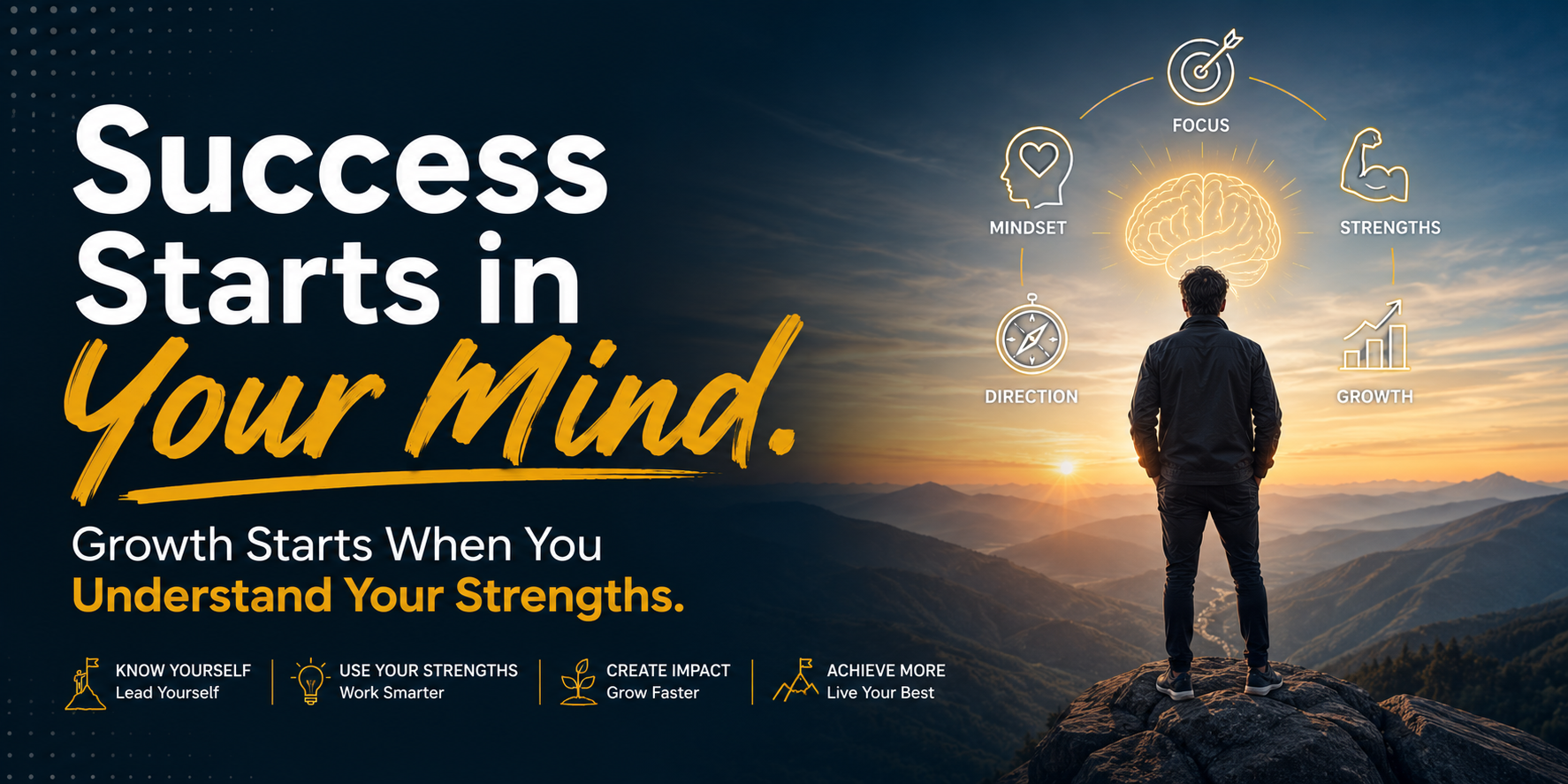
The Entrepreneur Mindset Isn’t About Thinking Bigger. It’s About Thinking Differently.
Every entrepreneur remembers the moment they almost gave up. Sometimes it happens after a product launch falls flat or after losing a major client. Other times, it is much quieter than that. You wake up one morning, look at the mountain of problems in front of you, and wonder whether everyone else somehow knows something you do not.
From the outside, successful founders often look fearless. From the inside, they have faced the same doubts, setbacks, and uncertainty as everyone else. The difference is not that they avoid difficult moments. The difference is how they interpret them. That is what an entrepreneur mindset really is: not endless optimism or blind confidence, but the ability to keep moving when the outcome is still uncertain.
Success Begins Long Before Success Appears
Look at almost any successful business and it is tempting to believe the breakthrough happened overnight. It might be the funding announcement, the acquisition, a viral product launch, or the moment the company reaches millions in revenue. What we rarely see are the hundreds of ordinary days that came before it: the failed experiments, rejected proposals, difficult conversations, and decisions that nobody applauded.
Business success is usually built in private long before it is recognized in public. Entrepreneurs with the right mindset understand this, so they do not expect immediate rewards. Instead, they trust that small improvements, repeated consistently over time, eventually become extraordinary results.
The Entrepreneurs Who Win Don’t Avoid Problems
Most people spend their lives trying to eliminate problems, but entrepreneurs approach them differently. They expect challenges to appear and learn to treat them as information. A failed marketing campaign can reveal what customers do not want. A difficult employee can expose weaknesses in the hiring process. A disappointing product launch can identify problems before the market grows larger.
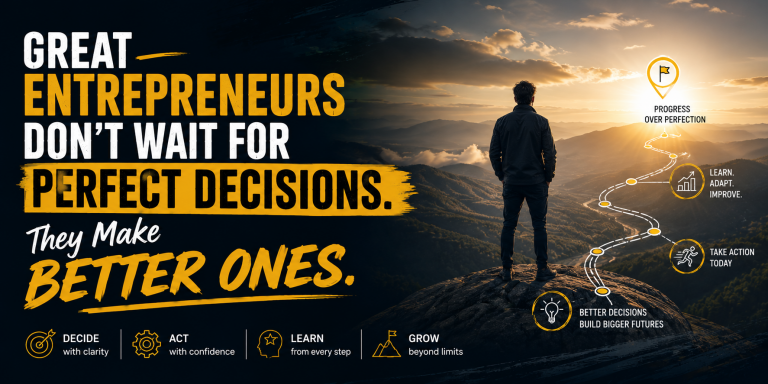
When entrepreneurs adopt this perspective, problems stop being roadblocks and become data. That is one of the biggest mindset shifts an entrepreneur can make because every setback becomes an opportunity to understand the business more clearly and make a better decision next time.
Curiosity Is More Valuable Than Confidence
People often assume successful entrepreneurs are naturally confident, but many are not. What they are is curious. They ask better questions: Why did this customer say no? What changed in the market? Which assumptions did I make? What can this mistake teach me?
Curiosity keeps entrepreneurs moving forward long after confidence disappears. Confidence may eventually return, but curiosity ensures that they never stop learning. In uncertain environments, the willingness to investigate, adapt, and ask better questions is often more valuable than the ability to appear certain.
Stop Trying to Become Someone Else
Social media has quietly changed entrepreneurship. Every day, we are exposed to founders with different personalities, business models, and definitions of success. It is easy to believe there is one correct way to build a business: speak like this, sell like that, market yourself this way, or grow your company using someone else’s blueprint.
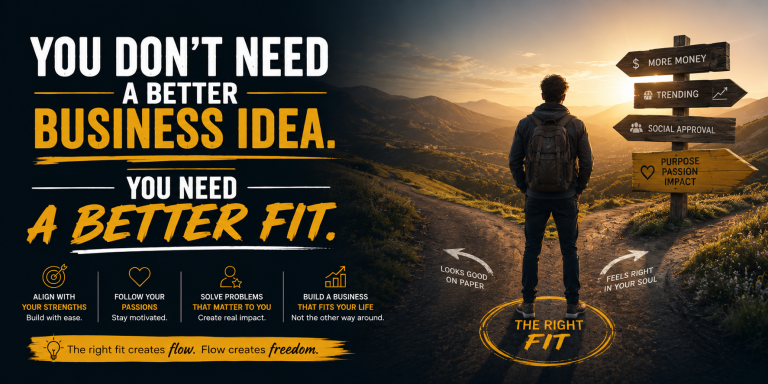
The problem is that copying another entrepreneur’s strategy often means copying a life that was not designed for you. The strongest businesses are rarely built through imitation. They are built through alignment, when the way you operate, lead, sell, and make decisions reflects your natural strengths and the kind of business you actually want to create.
The Best Entrepreneurs Know Where They Create Value
Every entrepreneur has work that gives them energy and work that quietly drains it. Some founders come alive when they are solving complex problems. Others thrive in conversations with customers, while some love creating systems and processes. Others naturally inspire teams through vision and communication.
None of these approaches is better than another. However, understanding the difference can change everything. Entrepreneurs who create lasting businesses spend more time in areas where they naturally create value and less time trying to become average at everything else. This does not mean avoiding growth or refusing to develop new skills. It means building from a position of strength rather than constantly fighting against the way you are naturally wired.
Self-Awareness Is a Competitive Advantage
For years, entrepreneurs have invested heavily in marketing, sales, technology, and operations. Far fewer invest the same energy in understanding themselves. Yet self-awareness influences almost every important business decision, including who they hire, how they lead, which opportunities they pursue, when they say no, and how they respond under pressure.
The better you understand yourself, the easier it becomes to build a business that reflects your strengths instead of constantly working against them. Self-awareness also helps you recognize the situations, responsibilities, and relationships that reduce your effectiveness. In that sense, understanding yourself is not merely a personal development exercise. It is a practical business advantage.
Why Entrepreneurial Frameworks Matter
This is why frameworks such as Wealth Dynamics resonate with so many founders. They do not try to turn every entrepreneur into the same kind of leader. Instead, they begin with a different assumption: every entrepreneur creates value differently.
Some people naturally innovate. Some build relationships, create systems, or execute with remarkable precision. Understanding how you are naturally wired does not limit your potential. It gives you a clearer path for developing it. When you know where your strengths are most useful, you can make better decisions about your role, your team, and the kind of business structure that allows you to perform at your best.
AI Changes the Tools. Not the Mindset.
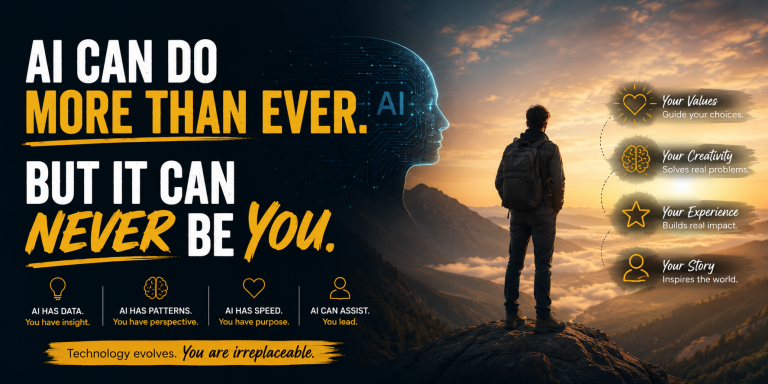
Artificial intelligence is transforming entrepreneurship faster than almost any technology before it. It can write, research, analyse, automate, and organise. However, AI does not replace judgment, resilience, creativity, or purpose.
The entrepreneurs who thrive over the next decade will not simply be those who use AI the most. They will be the ones who combine technology with self-awareness, adaptability, and a willingness to keep learning. Those qualities have always defined the entrepreneur mindset. Technology simply gives entrepreneurs new ways to express them, improve their decisions, and create value.
The Mindset That Changes Everything
There will always be another obstacle, another competitor, and another unexpected challenge. That is part of building a business. The question is not whether those moments will come, but who you will become when they do.
Entrepreneurship has never been about avoiding uncertainty. It is about becoming the kind of person who can move through it. The businesses that endure are almost always built by entrepreneurs who never stop learning, never stop adapting, and never stop believing that today’s setback could become tomorrow’s greatest lesson.
That is the entrepreneur mindset, and it is available to anyone willing to develop it.