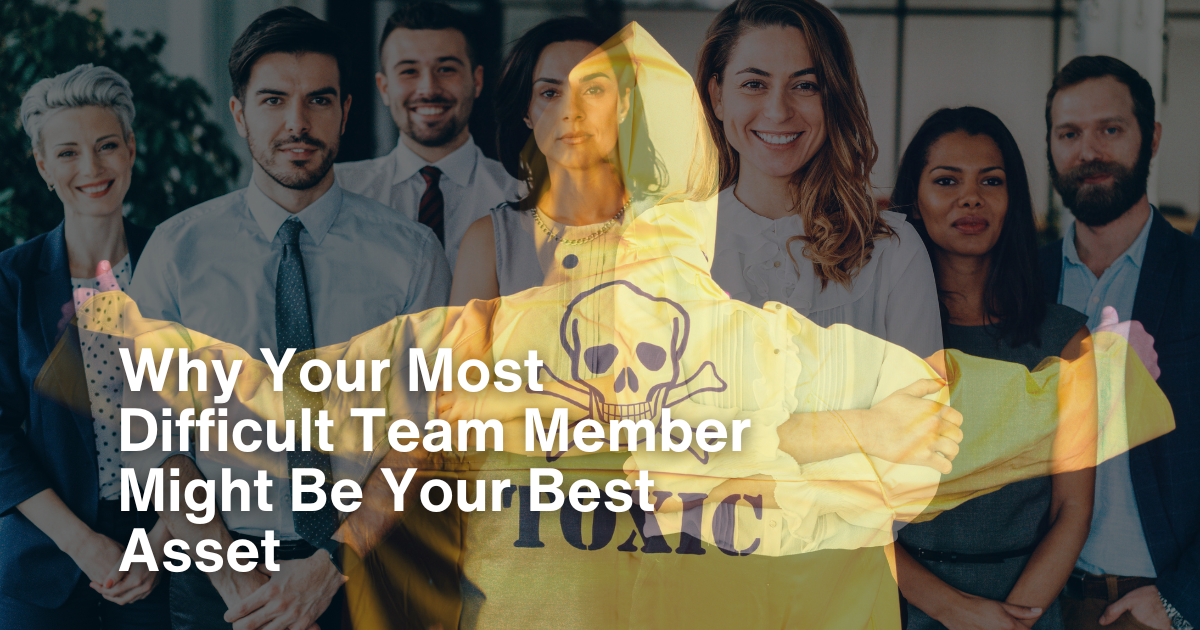
Everyone on your team complains about Sarah. She shoots down ideas in meetings, slows down projects with endless questions, and she never seems excited about anything.
You’re considering letting her go because the team’s morale is suffering. But Sarah isn’t toxic, she’s just a different talent type operating in an environment designed for personalities opposite to hers.
The Pattern You’re Missing
Your team loves brainstorming. They throw out ideas rapidly, build on each other’s energy, and move fast from concept to execution. Then Sarah speaks up with concerns, asks about implementation details, or points out potential problems. The energy deflates; everyone groans internally.
Sarah seems like the person who kills momentum and enthusiasm, like dead weight in a high-performing team. But here’s what’s actually happening: your entire team has the same talent profile, and Sarah is the only one providing the complementary perspective that prevents disasters.
Your innovative, fast-moving team needs someone who asks hard questions before you execute terrible ideas at high speed. Sarah is doing exactly what your team needs, but because she operates differently from everyone else, she feels like friction instead of value.
The Four Common Misdiagnoses
The “Negative Nancy” who’s actually a quality controller. She doesn’t hate your ideas. She’s naturally wired to spot problems and risks that optimists miss. In a room full of people saying “yes, and…” someone needs to say “but what about…” Your team experiences this as negativity because you’ve confused enthusiasm with contribution.
The “Slow” person who’s actually thorough. He doesn’t work slowly, he works deeply. While your team races to launch, he’s thinking through implications, testing edge cases, and preventing issues that would cost you later. Your team experiences this as dragging things down because you measure speed over quality.
The “Antisocial” person who’s actually focused. She’s not being rude when she’s concentrating. While your team bonds over lunch and casual chat, she’s solving problems that require uninterrupted thinking. Your team experiences this as unfriendly because you’ve confused socializing with team cohesion.
The “Rigid” person who’s actually consistent. He needs to understand the reason for change. While your team pivots based on excitement and intuition, he’s asking for data and logic. Your team experiences this as inflexibility because you’ve confused adaptability with impulsiveness.
If everyone on your team thinks like you do, you’re missing entire categories of necessary skills. You need people who think differently, work differently, and see problems from angles you naturally miss. These people will always feel like friction because they provide healthy resistance that makes better outcomes.
The Integration Solution
Instead of trying to make Sarah more like everyone else or removing her because she doesn’t fit, redesign how your team works to leverage her natural talents while respecting others’ needs.
Let the fast-movers generate ideas and create momentum, then give Sarah dedicated time to evaluate those ideas critically before execution. Frame this as her role, as the person whose job is finding problems, rather than personality flaw.
Stop inviting Sarah to brainstorming meetings where her natural skepticism dampens energy. Instead, have her review the top ideas afterward and provide structured feedback. This gives your enthusiastic team their energizing sessions while ensuring someone provides the critical analysis you need.
The team members you find most frustrating are often the ones providing the most essential complementary value. Your instinct to remove them or change them into something more like you would eliminate exactly what your team needs to perform well.
High-performing teams aren’t composed of people who work the same way. They’re composed of people with complementary talents who respect different working styles and create systems that leverage each person’s natural strengths.
Build Teams That Work Together
Understanding natural talent differences transforms frustrating team dynamics into productive complementarity. What feels like personality clashes are often different talents trying to contribute value in ways the team doesn’t recognize.
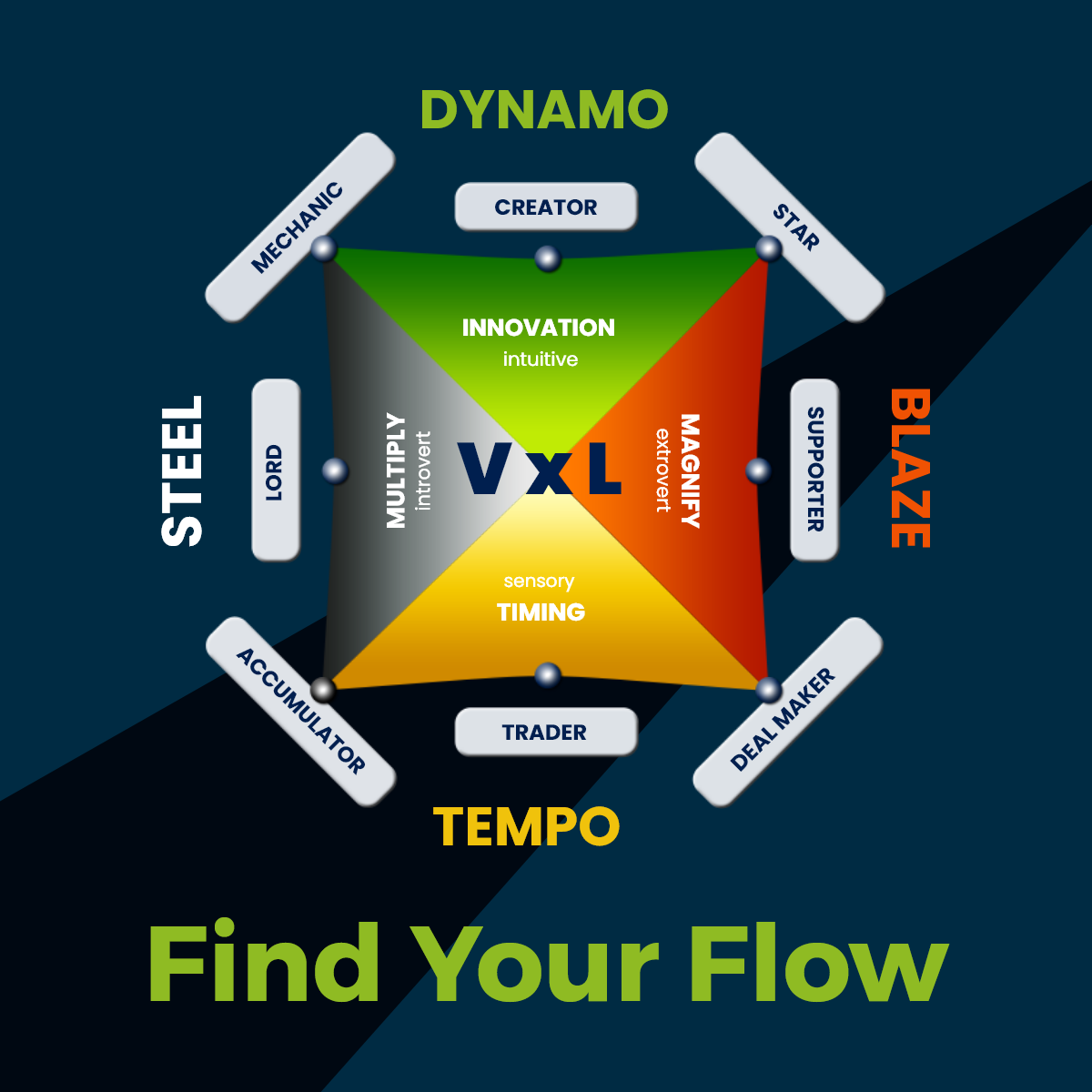
Talent Dynamics reveals how each team member naturally thinks, works, and contributes. You’ll discover which talents you have, which ones you’re missing, and how to create workflows that leverage everyone’s strengths instead of forcing everyone to work the same way.
Stop fighting different working styles. Start leveraging them.