
Your calendar is full of meetings that waste everyone’s time, and your inbox contains critical decisions buried in endless reply chains.
Meanwhile, half your team complains about too many meetings while the other half complains about not being included. Are you bad at communication, or are you using the wrong channels for different people?
The Meeting Everyone Hated
You scheduled a 30-minute status update meeting to ensure alignment. Three people came prepared with questions and engaged deeply, while two people sat silently, clearly wishing this was an email. One person kept trying to turn it into a brainstorming session, while another got frustrated that decisions weren’t being made fast enough.
Same meeting, seven completely different experiences based on how each person naturally processes information and makes decisions.
The problem wasn’t the meeting itself. It was assuming everyone communicates the same way and needs the same format to function effectively.
The Email That Went Nowhere
You sent a detailed email outlining a new strategy, asking for feedback by Friday. You received three responses: one person sent a novel-length analysis, another wrote two sentences, and four people never responded at all. You have no idea if they read it, understood it, or plan to implement it.
Two weeks later in a hallway conversation, someone casually mentions concerns about the strategy. “Why didn’t you say this when I asked?” you wonder. Because for some people, email is where communication goes to die.
Some people think by talking and need verbal processing to understand ideas. They get energized by real-time discussion and find clarity through conversation. These people hate email because it feels like shouting into the void. They need meetings to feel engaged and connected to work.
Others think by writing and need time to process information independently before responding. They find meetings draining because they can’t formulate their best thoughts under pressure. They need email or documents where they can think deeply and respond thoughtfully.
The Real Solution
Stop trying to make everyone communicate the same way. Instead, design communication channels that respect different processing styles while still getting work done.
For decisions requiring input from everyone, send information in advance for those who need processing time, then hold a focused meeting for discussion and decision-making. This respects both email people (they got time to think) and meeting people (they got live discussion).
For information distribution that doesn’t require discussion, send comprehensive emails or documents but offer optional office hours for people who prefer verbal clarification. Email people read and move on, while meeting people get their conversation.
For urgent decisions, have the meeting but follow up with written documentation for people who need to process and confirm understanding in writing. Meeting people get real-time resolution, and email people get written clarity.
The Team Assessment
Look at your calendar and inbox this week. Which meetings could have been emails and everyone would have been happier? Which email threads are going nowhere because the discussion needs to happen live? Which people consistently disengage in meetings, and which people never respond to emails?
These patterns reveal natural communication preferences that, once identified, make collaboration dramatically more effective.
Once you understand how your team naturally communicates, you can design workflows that respect these differences instead of fighting them. Assign the verbal processors to lead client meetings and team discussions. Give the written processors responsibility for documentation, strategy papers, and detailed analysis.
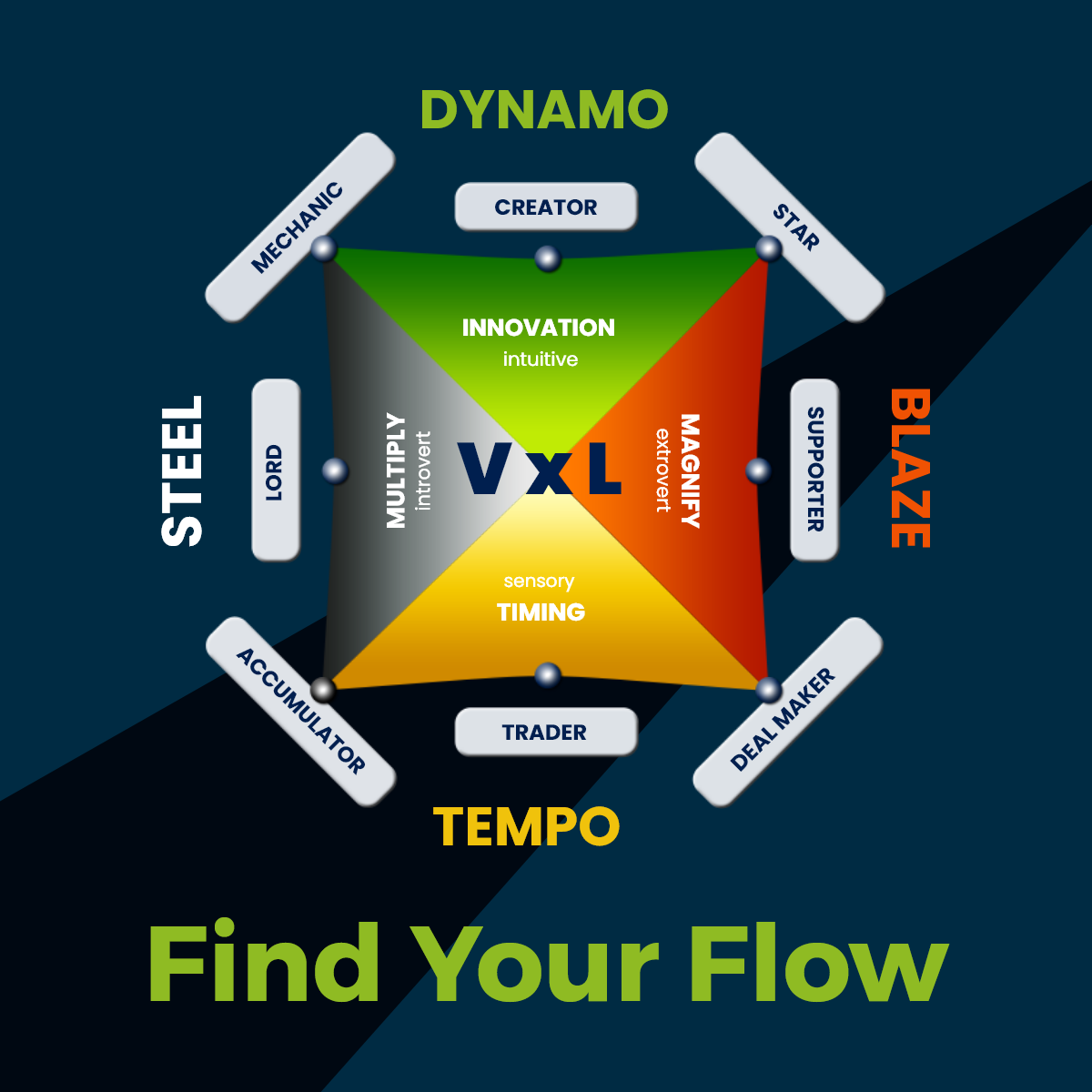
Understanding natural communication preferences transforms how your team collaborates, makes decisions, and gets work done. Talent Dynamics reveals how each person on your team naturally processes information, communicates ideas, and contributes value.
Take the Talent Dynamics test to discover your own communication style and build team practices that respect different ways of thinking, processing, and collaborating.
Stop forcing everyone to communicate the same way. Start leveraging how they naturally work.