
You delivered the same feedback to two team members, and one improved immediately while the other became defensive and disengaged.
Perhaps the problem isn’t your feedback. It’s likely that different people need fundamentally different delivery approaches, and what motivates one talent type can destroy another.
The Direct Approach Disaster
Some people thrive on direct, unfiltered feedback delivered quickly and without emotional cushioning, viewing straightforward criticism as respect and efficiency. Others experience the same approach as harsh attack that damages their confidence and relationship with you, hearing aggression where you intended clarity.
When you tell a detail-oriented analyst “this analysis has three errors that need fixing,” they appreciate the specificity and immediately address the issues. When you tell a relationship-focused team member the same way, they hear “you’re incompetent” and spend the rest of the day anxious about your perception of them rather than fixing anything.
The Sandwich Method Backfire
The classic “praise, criticize, praise” approach works beautifully for people who need context and emotional safety to receive criticism, but it frustrates people who view it as manipulative padding that wastes time. They want you to respect them enough to be direct, while you think you’re being respectful by softening the message.
What Different Talents Actually Need
Data-driven talents need specific, measurable feedback with clear examples and objective standards, becoming frustrated with vague emotional assessments or generalized praise.
Relationship-focused talents need context about how their work affects others and the team, requiring connection to purpose before they can process criticism productively.
Action-oriented talents need feedback tied to immediate next steps and outcomes rather than lengthy analysis of what went wrong, viewing past-focused criticism as dwelling instead of improving.
Strategic talents need feedback connected to bigger picture implications and long-term goals, finding tactical corrections meaningless without understanding broader context.
Stop using one feedback approach for everyone and start observing how each person responds to different delivery styles. Notice who engages with direct criticism versus who shuts down, who needs written documentation versus who prefers live conversation, who wants immediate feedback versus who needs processing time.
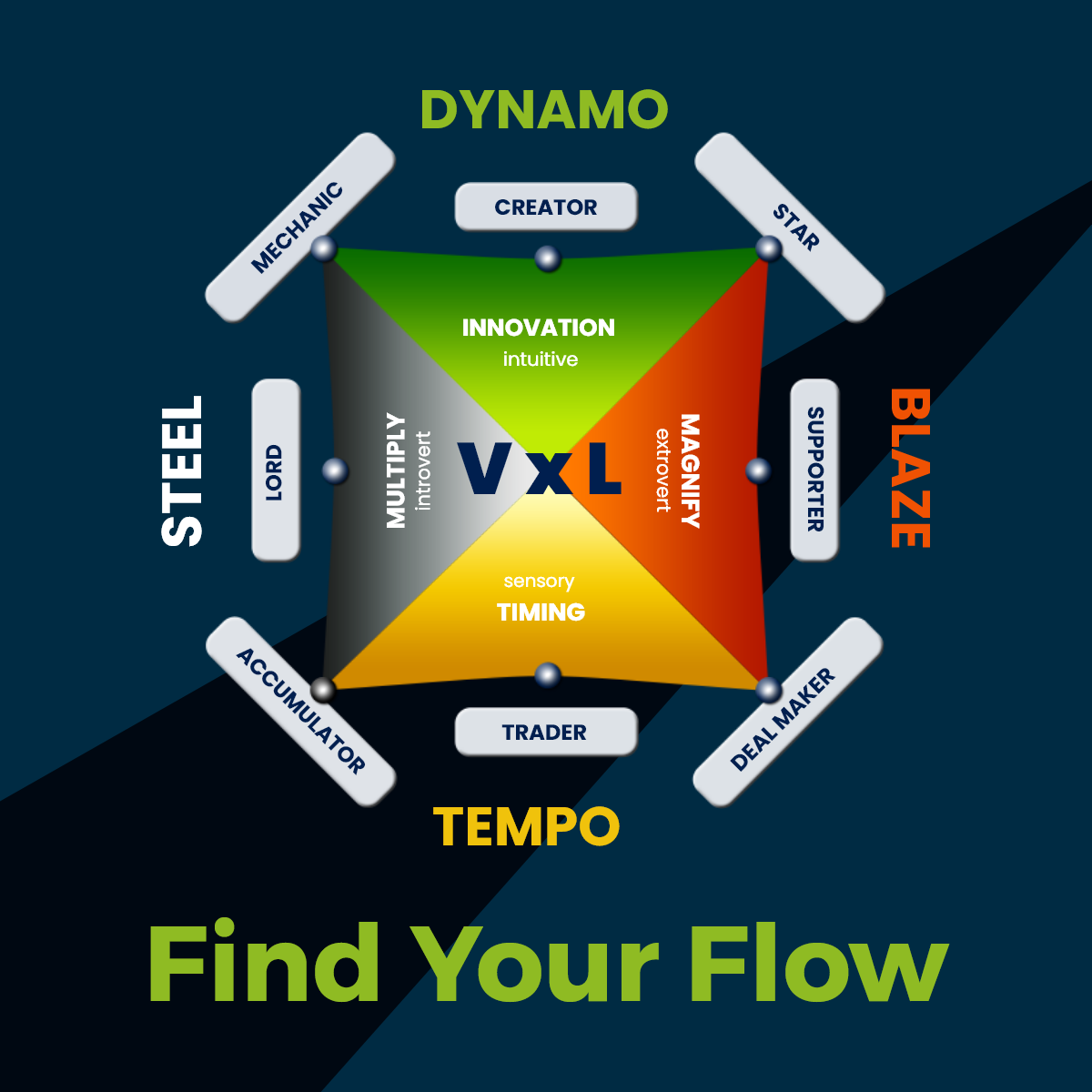
Understanding how different talents process criticism and praise transforms your ability to develop people effectively. Talent Dynamics reveals natural communication preferences and, by extension, optimal feedback approaches for each team member. Take the test here to get started.