
If you’ve ever delayed a decision because you wanted more information, you’re not alone.
Entrepreneurs make hundreds of decisions every week—from hiring and pricing to marketing and product development. The pressure to “get it right” can lead to analysis paralysis, missed opportunities, and unnecessary stress.
The truth is, successful entrepreneurs don’t make perfect decisions.
They make timely decisions, learn from the results, and adjust quickly.
The ability to decide with confidence is one of the biggest competitive advantages in business.
Why Decision-Making Matters More Than Intelligence
Many people assume the smartest entrepreneur will build the best business.
But intelligence alone doesn’t guarantee success.
History is full of founders with brilliant ideas who never acted on them.
Meanwhile, others with fewer resources built thriving companies because they consistently made decisions, took action, and adapted.
Progress almost always beats perfection.
The Hidden Cost of Indecision
Every delayed decision has a cost.
Waiting too long can mean:
- Missing market opportunities
- Slower business growth
- Team uncertainty
- Reduced innovation
- Competitors moving ahead
Not making a decision is still a decision—and often the most expensive one.
Why Entrepreneurs Make Different Decisions
No two entrepreneurs think exactly alike.
Some rely on data.
Others trust experience.
Some move quickly.
Others carefully evaluate every possibility.
Neither approach is universally right or wrong.
The key is understanding how you naturally process information and making decisions that play to your strengths while balancing your blind spots.
Build a Better Decision-Making Framework
Instead of asking:
“What’s the perfect decision?”
Ask yourself:
- Does this align with my long-term vision?
- Does it create value for my customers?
- Can I test it before making a larger commitment?
- What’s the worst realistic outcome?
- What will I learn even if it doesn’t work?
These questions reduce fear and encourage progress.
The Role of Self-Awareness in Better Leadership
Many poor business decisions aren’t caused by lack of knowledge.
They’re caused by:
- Emotional reactions
- Fear of failure
- Comparing yourself to competitors
- Trying to imitate someone else’s strategy
Self-aware entrepreneurs recognize these patterns and return to what they do best.
They lead with clarity rather than emotion.
How Wealth Dynamics Improves Decision-Making
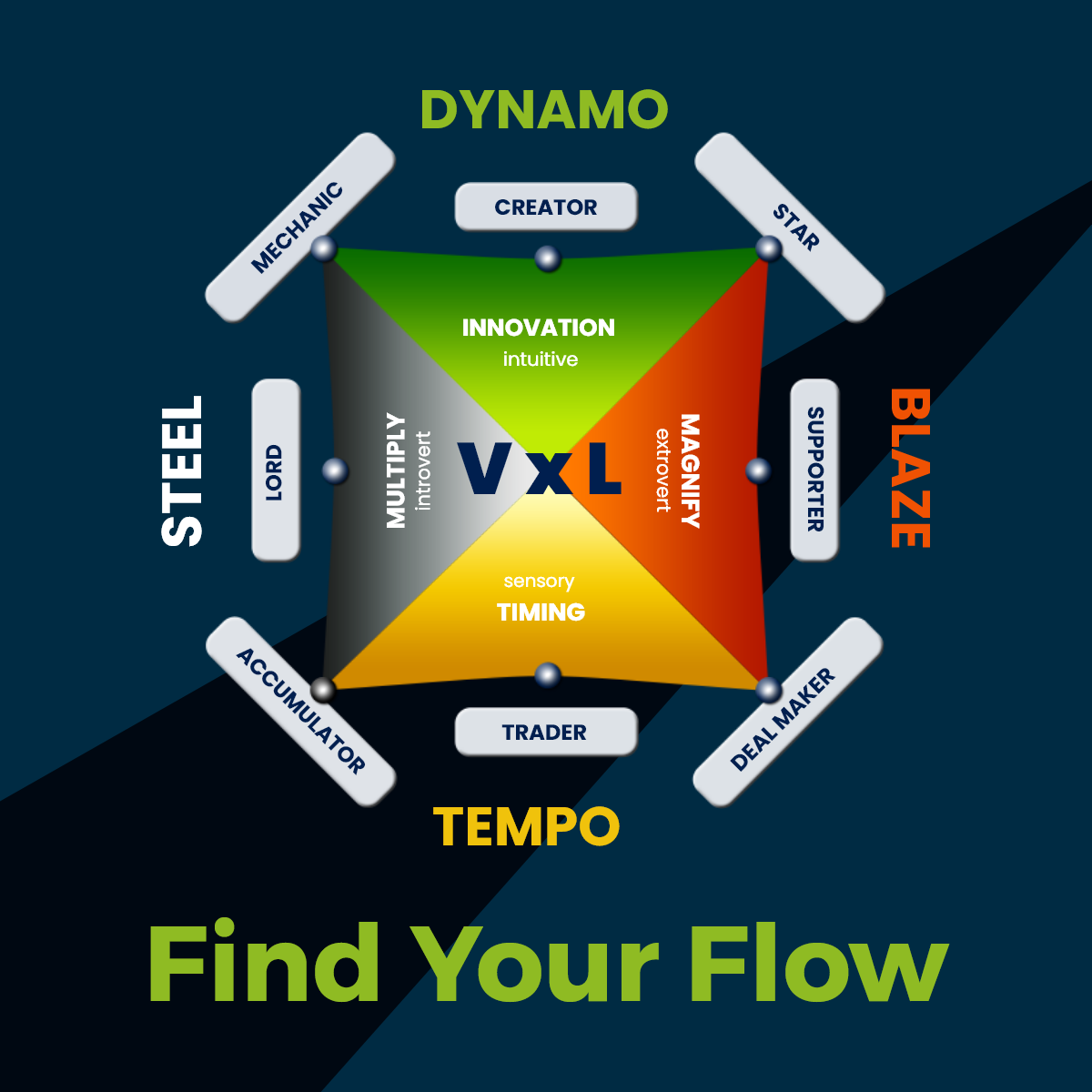
One of the biggest advantages of understanding your Wealth Dynamics profile is clarity.
When you know your natural strengths, you can:
- Make faster decisions
- Delegate more confidently
- Build complementary teams
- Focus on high-value work
- Avoid opportunities that don’t fit your strengths
Instead of copying another entrepreneur’s path, you create a strategy built around your own.
That leads to more confidence—and better decisions over time.
Five Habits of Great Business Decision Makers
1. They don’t wait for perfect information.
They gather enough information to move forward and refine as they learn.
2. They trust systems more than emotions.
Strong decision-making comes from consistent frameworks, not gut reactions alone.
3. They focus on long-term value.
Short-term wins never outweigh sustainable growth.
4. They surround themselves with different perspectives.
The best leaders don’t want people who always agree with them.
5. They learn from every outcome.
Every decision becomes feedback for the next one.
Conclusion
Every entrepreneur will face uncertainty.
The goal isn’t to eliminate it.
The goal is to become the kind of leader who can move forward despite it.
Better businesses aren’t built by entrepreneurs who always make the right decisions.
They’re built by entrepreneurs who consistently make informed decisions, learn quickly, and stay aligned with their natural strengths.
Confidence comes from clarity—not certainty.
Frequently Asked Questions
Why is decision-making important in business?
Effective decision-making helps businesses adapt quickly, seize opportunities, and avoid costly delays.
How can entrepreneurs make better decisions?
By using structured thinking, learning from experience, and understanding their natural strengths and leadership style.
What role does self-awareness play in leadership?
Self-awareness helps entrepreneurs recognize biases, improve communication, and make decisions that align with their long-term goals.
What is Wealth Dynamics?
Wealth Dynamics is an entrepreneurial profiling system that helps business owners understand their natural strengths, leadership style, and the best way to create value.
👉 Take the Wealth Dynamics Test today.